Understanding PPF Chattanooga
What is Paint Protection Film?
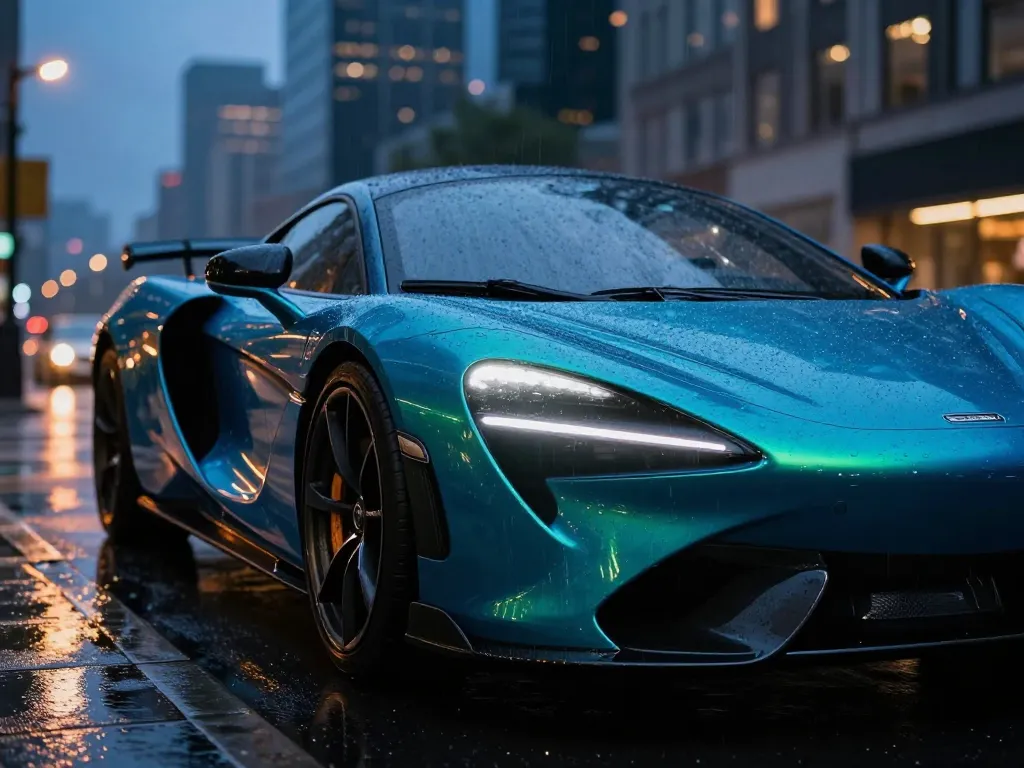
Paint Protection Film (PPF) is a clear polyurethane film applied to the exterior surfaces of vehicles to protect the paint from scratches, chips, and other forms of damage. This innovative solution serves as a shield, guarding the vehicle’s surface against environmental factors, such as UV rays, road debris, and bird droppings. PPF combines durability with invisibility, allowing car enthusiasts to maintain the pristine appearance of their automobiles while enhancing their resale value. If you’re seeking top-notch protection for your vehicle, exploring PPF Chattanooga can be a fantastic start.
Benefits of PPF for Your Vehicle
The benefits of investing in PPF are numerous and can significantly impact the durability and aesthetics of your vehicle. Below are some key advantages:
- Scratch and Chip Protection: PPF is designed to absorb impacts, significantly reducing the likelihood of scratches and chips from road debris or minor accidents.
- UV Protection: The film shields the paint from harmful UV rays, preventing fading and discoloration over time.
- Self-Healing Properties: Many modern PPFs are engineered with self-healing technology, allowing minor scratches to disappear with heat exposure from the sun or hot water.
- Easy Maintenance: PPF is easy to clean and maintain. Most films are resistant to stains, and dirt doesn’t cling easily, meaning you can wash your car less frequently.
- Increased Resale Value: Cars protected with PPF often have a higher resale value, as the original paint remains intact and unblemished.
How PPF Works to Shield Your Car
PPF works through a combination of technology and design. The material is incredibly thin, allowing it to conform seamlessly to the contours of the vehicle without altering its appearance. The film is coated with an adhesive on one side that allows it to adhere tightly to the car’s paint. This protective layer absorbs energy from impacts and resists abrasion from everyday wear and tear. Furthermore, the self-healing properties help recover from minor scratches and imperfections, ensuring a smooth and glossy finish.
Choosing the Right PPF Provider in Chattanooga
Factors to Consider When Selecting a Service
When selecting a PPF provider in Chattanooga, consider several key factors to ensure you receive quality service:
- Experience and Expertise: Look for providers with a solid track record and specialized knowledge in applying PPF. Experienced technicians are familiar with various vehicle types and have refined their skills over time.
- Product Quality: Not all PPFs are created equal. Research the brands used by the provider, focusing on durability, warranty, and self-healing technologies.
- Warranty and Aftercare: A credible provider will offer a warranty for their installation. Inquire about what the warranty includes and the aftercare services they provide.
- Customization Options: The ability to customize the PPF application to your vehicle’s specific needs can greatly enhance protection and aesthetics.
Questions to Ask Potential Installers
To ensure you are working with a reputable installer, consider asking the following questions:
- What type of PPF do you use, and what are its benefits?
- How long will the installation process take?
- Can you provide references or testimonials from previous clients?
- What aftercare and maintenance do you recommend post-installation?
- Do you offer a warranty, and what does it cover?
Reading Reviews and Testimonials
Online reviews and testimonials are invaluable tools for assessing the quality and reliability of a PPF provider. Websites like Google Reviews or Facebook can give insights into previous clients’ experiences. Focus on comments regarding the installation process, customer service, and whether the final results met or exceeded expectations. A provider with a positive reputation will likely deliver the quality service you seek.
Application Process of PPF Chattanooga
Initial Assessment and Vehicle Preparation
Before applying PPF, the initial assessment is crucial. Technicians examine the vehicle to identify areas that require special attention and ensure the surface is clean and free from any contaminants. This process includes washing, clay barring, and possibly paint correction to remove any imperfections. Properly preparing the surface is essential for optimal adhesion and longevity of the film.
Steps Involved in the Installation
The installation process typically follows these steps:
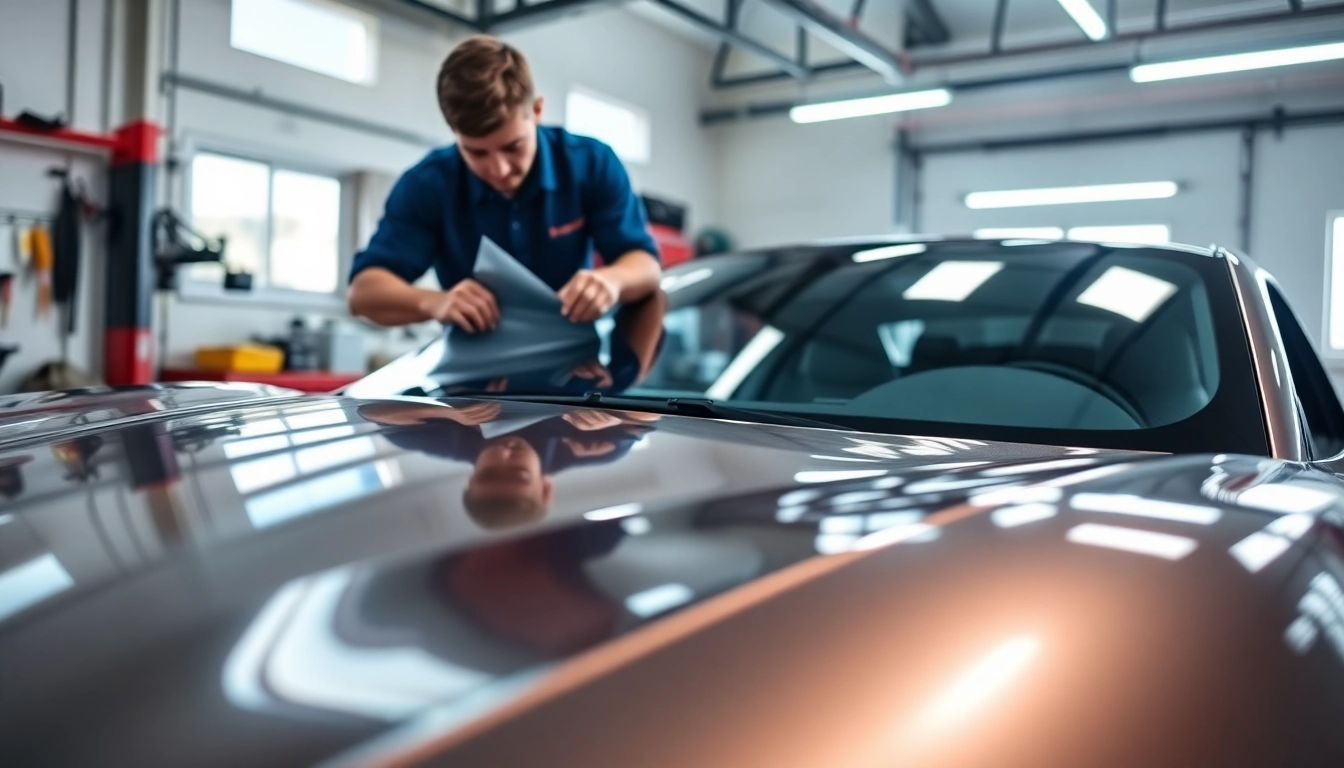
- Cutting the Film: The film is custom-cut to fit the specific sections of the vehicle, ensuring a precise installation.
- Application: Using a specialized solution, the film is applied, starting with one edge and gradually working its way across the surface.
- Smoothing and Removing Air Bubbles: Technicians use tools to smooth the film and remove air bubbles to ensure it adheres perfectly to the paint.
- Trimming Excess Film: Once applied, excess film is trimmed to provide a seamless look.
- Final Inspection: Lastly, a quality check is performed to ensure the installation meets the highest standards.
Caring for Your PPF
Maintaining PPF is crucial for its longevity and effectiveness. Consider the following care tips:
- Avoid washing your vehicle for at least 3-5 days post-installation to allow the film to cure properly.
- Use a mild soap and soft cloth or sponge when washing to prevent scratching the film.
- Avoid abrasive polishes and waxes, which can damage or dull the film’s surface.
- Regularly inspect the film for any lifting edges or damage that may need to be addressed.
PPF versus Other Protection Options
Comparing PPF to Ceramic Coatings
While both PPF and ceramic coatings offer protection, they do differ significantly. PPF provides a physical barrier against impacts, making it best for those seeking scratch and chip protection. In contrast, ceramic coatings offer a chemical layer that enhances shine and facilitates easier cleaning but can’t protect against significant physical damage. Choosing between the two depends on your driving habits and aesthetic goals.
Cost Analysis of Various Protection Solutions
The cost of PPF varies widely depending on vehicle size, film quality, and installation provider. On average, PPF can range from $1,000 to over $4,000, particularly for full vehicle coverage. In comparison, other options like ceramic coatings generally have lower upfront costs but may not provide the same level of physical protection, thus potentially leading to higher long-term repainting or repair costs.
Long-Term Value of PPF
Investing in PPF can yield significant long-term value, preserving your vehicle’s appearance and mitigating damage costs over time. Many car owners realize that the initial investment in PPF pays off through enhanced resale value and reduced maintenance and repair frequency. In the long run, the protection offered by PPF not only keeps your car looking good but can also save you money and time.
FAQs About PPF Chattanooga Services
How long does PPF last on my vehicle?
PPF can last anywhere from 5 to 10 years with proper care, depending on the quality of the film and environmental factors.
Can I wash my car after PPF installation?
It’s recommended to avoid washing your car for at least 3-5 days after installation to allow the adhesive to fully cure.
Is PPF removable without damage?
Yes, PPF can be removed safely without damaging the vehicle’s paint if done by a professional.
Does PPF discolor over time?
High-quality PPF is resistant to yellowing, but cheaper films might discolor over time. Proper maintenance can help minimize this.
What types of vehicles benefit most from PPF?
Vehicles that frequently encounter harsh driving conditions, such as sports cars, off-road vehicles, or those exposed to heavy road debris, benefit greatly from PPF.